-
KING PENGUIN
IN CHILEA majestic species with an ancient connection to Tierra del Fuego.
The King Penguin: a majestic resident of Tierra del Fuego
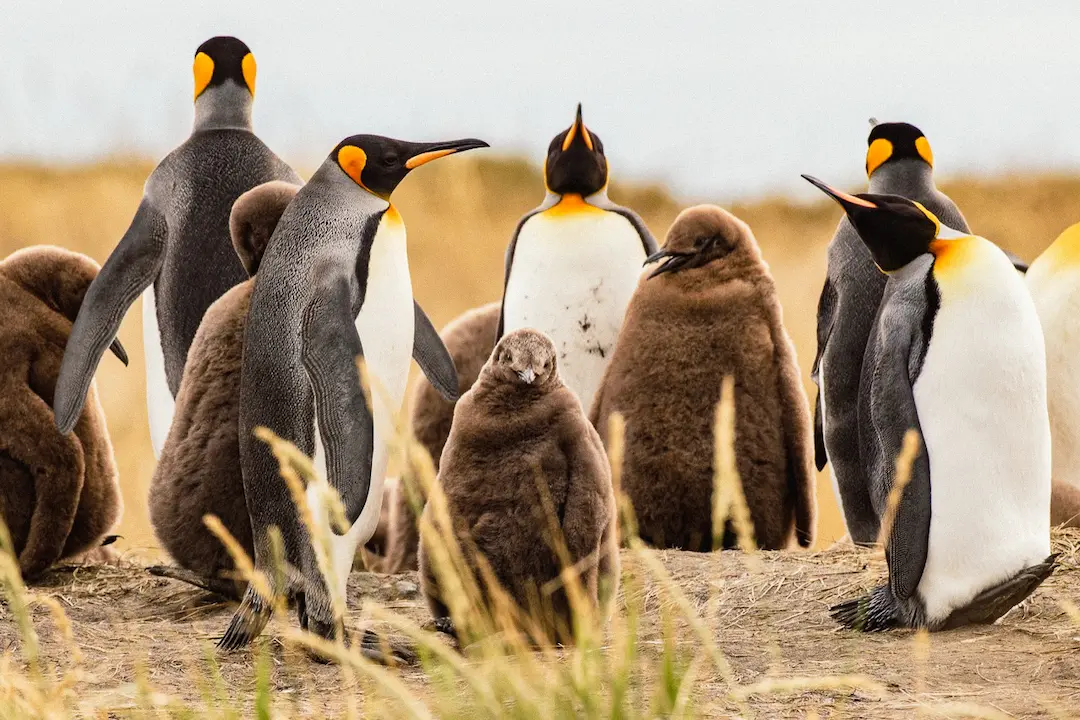
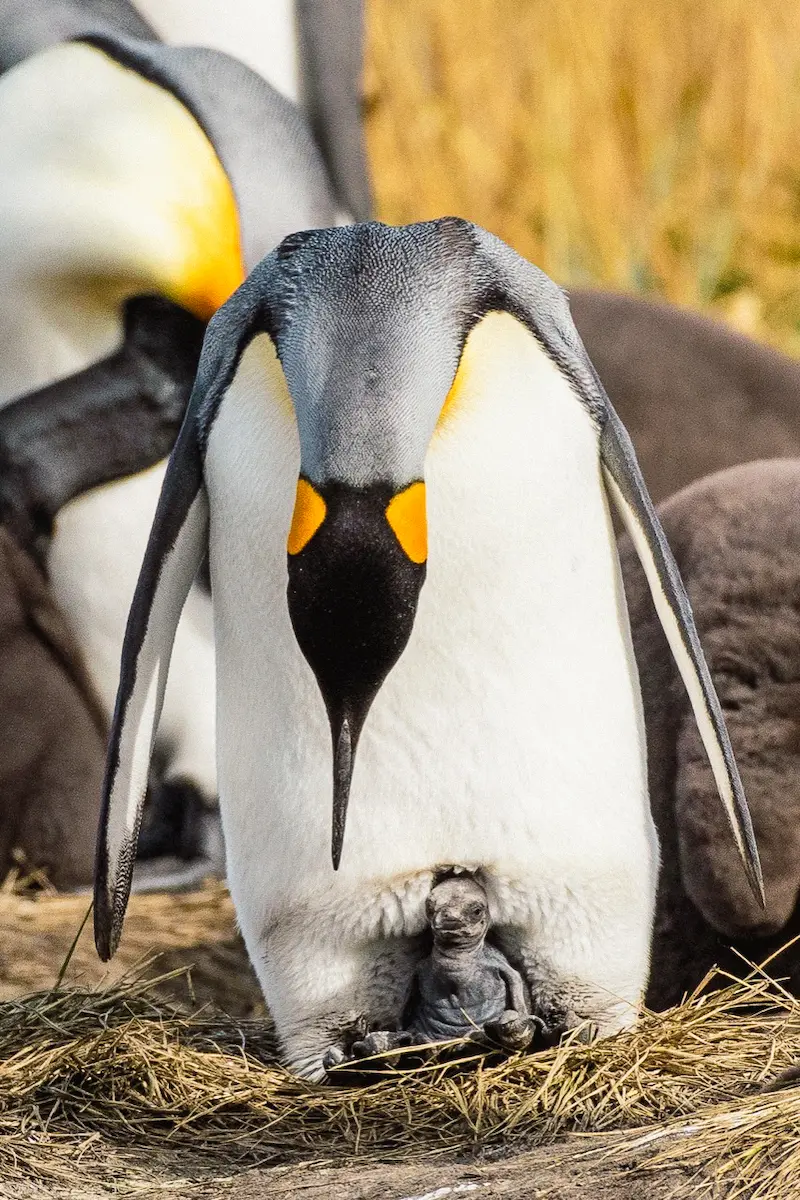
The King Penguin (Aptenodytes patagonicus) is the second-largest penguin species in the world, surpassed only by the Emperor Penguin. This remarkable seabird spends most of its life at sea, feeding primarily on fish and squid in the cold, nutrient-rich waters of the Southern Ocean.
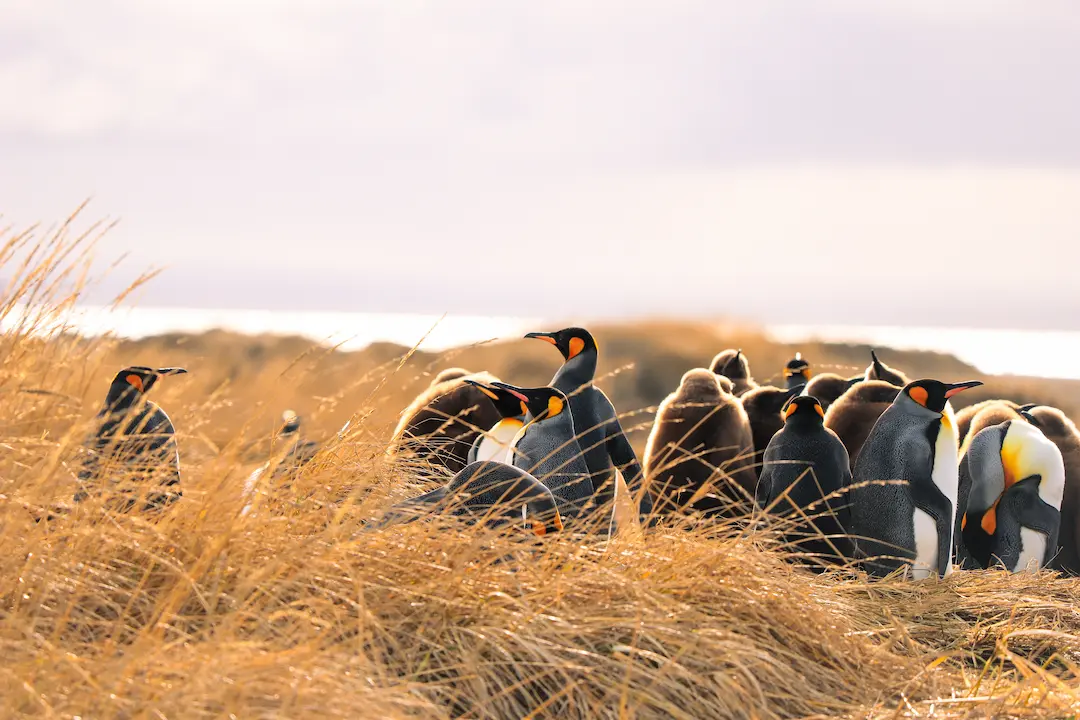
While the largest breeding colonies are found on subantarctic islands such as South Georgia and the Crozet Islands, since 2010 king penguins in chile have established a breeding colony in Bahía Inútil, on the western coast of the Isla Grande de Tierra del Fuego.
This makes king penguin chile an extraordinary conservation story for several reasons:
- It is the breeding colony located closest to the South American mainland.
- Its long-term presence in Bahía Inútil reflects the exceptional environmental conditions of this coastal ecosystem.
- Bahía Inútil provides easy access to shallow, highly productive waters, offering abundant food resources for the adults’ extended foraging trips during the penguin breeding season.
- Despite its name, the bay’s geographical and climatic characteristics create ideal breeding conditions, including open coastal habitats, low human disturbance, and a naturally protected environment with few large terrestrial predators.
The presence of king penguin chile in this southern landscape reminds us that marine life, history, and the natural environment are deeply interconnected.
Bahía Inútil: the unexpected home of the King Penguin
The presence of king penguin chile in Bahía Inútil is far more than a remarkable sight—it is one of the most significant ecological events in South America and a milestone for the conservation of king penguins in chile.
This coastal ecosystem provides exceptional conditions for the species’ breeding success, including easy access to shallow, nutrient-rich feeding grounds, minimal human disturbance, and a naturally protected environment with few large terrestrial predators.
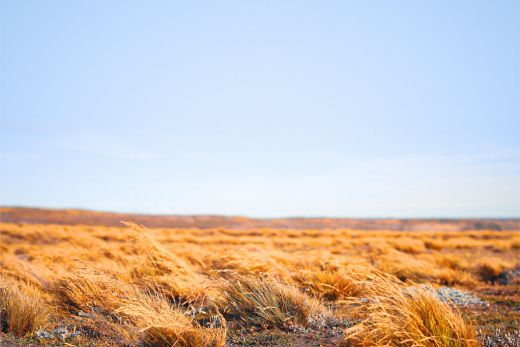
Despite its name, Bahía Inútil has proven to be an ideal habitat for the colony. Its open coastline, cold climate, and relative isolation have allowed this southern landscape to become a new breeding site during the penguin breeding season.
Today, King Penguin Nature Reserve protects this unique habitat, offering visitors one of the best places to see penguins while demonstrating how long-term conservation can safeguard one of Chile’s most extraordinary wildlife populations.
A Bond that spans centuries
The story of king penguin chile did not begin in recent years. Long before the establishment of today’s breeding colony, King Penguins already shared this landscape with the Indigenous peoples of Tierra del Fuego.
This ancient connection has been confirmed through archaeological discoveries in Bahía Inútil, where King Penguin remains dating back approximately 500 years have been found.
Among the archaeological remains recovered are:
- Awls crafted from King Penguin femurs.
- Humerus bones.
- King Penguin beaks.
These discoveries reveal a deep historical connection between the King Penguin, the Southern Ocean, and the Indigenous communities that lived along the shores of Tierra del Fuego for centuries.
What threatens the colony
Although Bahía Inútil provides favourable conditions for the species, the king penguin chile colony still faces significant challenges. Its long-term survival depends on continuous monitoring, scientific research, and effective conservation actions, particularly during the penguin breeding season, when the birds are most vulnerable.
The health of the marine ecosystems of Bahía Inútil and the Estrecho de Magallanes is essential for the survival of king penguin chile and many other marine and coastal species. Their presence is both a sign of a healthy ecosystem and a reminder of the responsibility we all share in protecting it.
How we protect the King Penguin
Protecting king penguin chile requires more than admiration—it demands commitment, science, and continuous monitoring.
At King Penguin Nature Reserve, our conservation efforts combine scientific research, habitat protection, and responsible visitor management to ensure the long-term survival of king penguins in chile, especially throughout the penguin breeding season.
Our conservation actions include:
- Regulated wildlife observation, following Chilean legislation to ensure visitors maintain a safe and respectful distance from the colony.
- Responsible nature tourism, guided by our Wildlife Observation Code, designed to minimise disturbance and safeguard animal welfare.
- Monitoring foraging trips and behaviour, helping researchers better understand the species’ movements and marine and terrestrial ecology.
- Daily population monitoring, providing long-term data that supports conservation decisions and adaptive management.
- Biological sampling, used to assess health, diet, and physiological stress.
- Meteorological stations and environmental sensors, recording weather and climate variables that influence the colony.
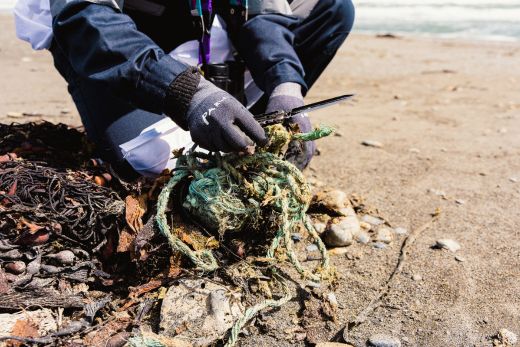
- Threat management and beach clean-ups, helping reduce human impacts and protect the surrounding ecosystem.
Every action reflects a single purpose: ensuring that king penguin chile continues to thrive in this extraordinary corner of the world.
A story of growth and hope
Every milestone achieved by the king penguin chile colony in Tierra del Fuego is a testament to the power of long-term conservation. Its continued presence demonstrates that when science, commitment, and respect for nature come together, wildlife can thrive.
The history of king penguins in chile reflects more than population growth—it tells the story of resilience, adaptation, and the importance of protecting habitats throughout the penguin breeding season and beyond.
Around 90 King Penguins were observed in Bahía Inútil, before any conservation measures were in place.
Conservation efforts began after only eight penguins remained from the original group.
The first breeding behaviour was documented.
The first chick hatched in Bahía Inútil.
The first locally hatched chick successfully reached independence.
Chick predation by the South American grey fox was recorded, highlighting one of the challenges facing the colony.
The population declined following an exceptionally warm summer, when temperatures exceeded 25°C, demonstrating the growing impacts of climate variability.
The colony is estimated to number between 160 and 200 individuals, with ten generations of chicks successfully born in Bahía Inútil.
Frequently Asked Questions About King Penguin Chile
The story of king penguin chile did not begin recently. Archaeological discoveries on Tierra del Fuego, including King Penguin bones dating back at least 500 years, show that this species has inhabited the region for centuries, sharing the landscape with the Indigenous peoples of Tierra del Fuego.
More recently, occasional sightings were recorded throughout the Región de Magallanes from 1969 onward, and historical records indicate that an active colony existed in Bahía Inútil during the 1980s.
Beginning in 2010, increasing numbers of king penguins in chile were observed returning to Bahía Inútil, gradually establishing the breeding colony that is now protected by King Penguin Nature Reserve.
En tiempos más modernos, se registraron avistamientos esporádicos en la Región de Magallanes desde 1969, y se sabe que en Bahía Inútil existió una colonia activa en los años 80.
A partir de 2010, se comenzó a observar una mayor cantidad de ejemplares en este lugar, consolidándose poco a poco la colonia que hoy conocemos y protegemos en la Reserva.
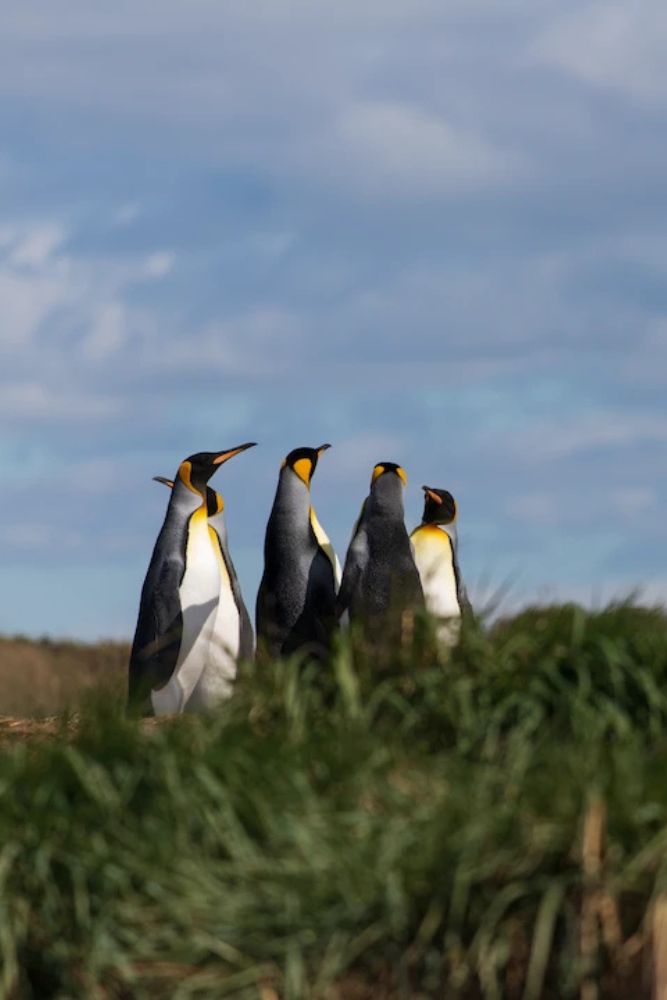
A successful breeding colony depends on three essential conditions:
- Protection from harsh weather conditions.
- Reliable access to nearby, nutrient-rich feeding grounds.
- A safe terrestrial environment for breeding and raising chicks during the penguin breeding season.
These factors make Bahía Inútil an exceptional habitat for King Penguins.
No. The King Penguins living in Bahía Inútil are completely wild.
They move freely between the ocean and land, find their own food, and return to the colony according to the different stages of their breeding cycle. Their movements are entirely natural and are not influenced by human intervention.
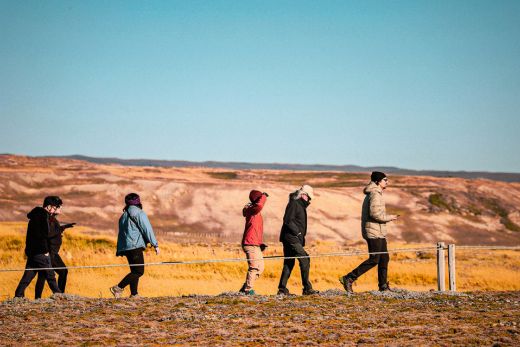
According to Chilean wildlife regulations, the minimum observation distance for penguins on land is 50 metres.
This distance helps prevent disturbance and protects the birds' natural behaviour and habitat throughout the penguin breeding season.
Yes. Visitors can observe king penguins in chile throughout the reserve's visitor season, from October to May.
During these months, the colony goes through all stages of the breeding cycle, including moulting, courtship, incubation, and chick rearing.
Because these are wild animals living in their natural habitat, the number of penguins present and their behaviour may vary from day to day.
The largest number of King Penguins can generally be observed between October and March, during the austral spring and summer.
This period coincides with the penguin breeding season, when courtship, incubation, chick rearing, and moulting all take place.
No.
At King Penguin Nature Reserve, all wildlife observation takes place from a safe distance. The same regulations apply to every visitor, regardless of profession or photographic equipment, ensuring the welfare of the colony and its habitat.
Yes. Besides being one of the best places to see penguins, King Penguin Nature Reserve is home to a remarkable diversity of wildlife.
Depending on the season and weather conditions, visitors may also observe:
- Steppe birds.
- Wetland birds.
- Seabirds.
- Guanacos.
- Occasionally marine mammals such as sei whales, Peale's dolphins, and South American sea lions.
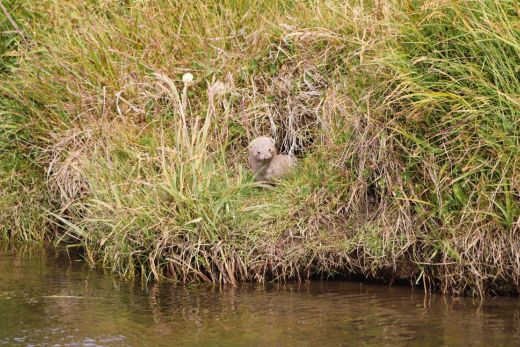
The reserve also protects many other native species that contribute to the biodiversity of Tierra del Fuego, including the Magellanic tuco-tuco, butterflies, and a variety of native insects.
Your connection with wildlife begins here
We invite you to visit King Penguin Nature Reserve and experience the home of king penguin chile firsthand.